Someone recently asked us a very good question:
What exactly is a transitional rug?
“Good question,” said Scott.
The answer? Transitional design takes elements we associate with traditional rugs and gives them a more modern interpretation.
Who knew?
And that got us thinking.
Area rugs are one of those things most of us shop for almost entirely by instinct. We know when we love one. We know when something feels too traditional, too modern, too busy or somehow just right.
But ask us to explain the difference between traditional, transitional and contemporary? Or whether the living room needs an 8′ x 10′ or a 9′ x 12′? Or whether wool, synthetic, flatweave or high pile makes the most sense?
That’s where things get a little fuzzier.
And considering how much an area rug can change a room, it’s worth knowing a little more.
So consider this your guide.
Area rugs from A to Z—and maybe Z to A, because when it comes to design, there really aren’t that many rules.
First: Why Does a Rug Matter So Much?
Take a room you like and remove the rug.
Something often feels…off.
That’s because an area rug does much more than cover the floor.
It can visually anchor furniture, define a conversation area in an open-concept space, introduce color and pattern, soften acoustics, add warmth underfoot and protect the beautiful floor underneath. Floors USA’s existing rug guidance similarly emphasizes their ability to establish furniture groupings while protecting high-traffic areas.
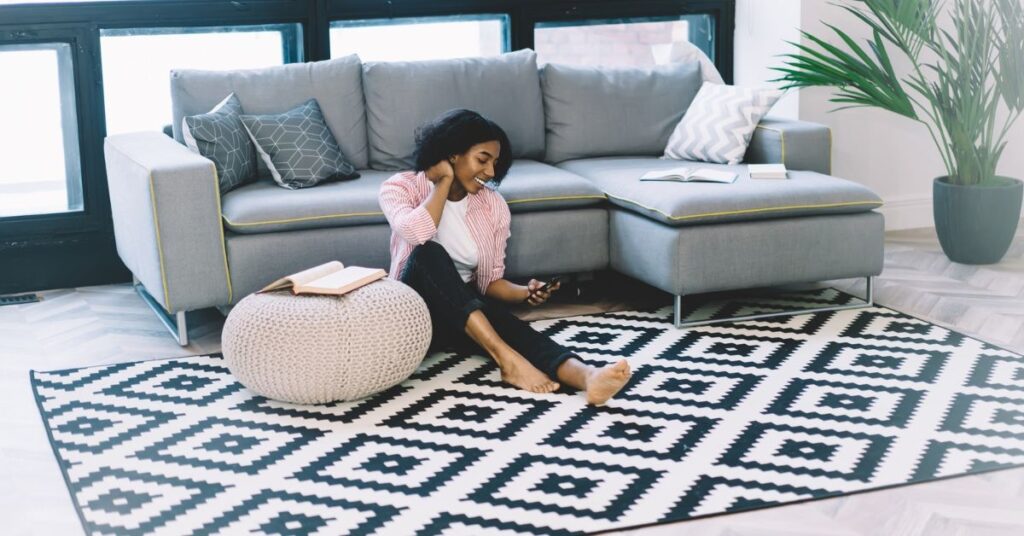
But perhaps the most interesting thing about a rug is that it’s relatively easy to change.
Replacing hardwood is a project.
Changing the rug?
That’s decorating.
A quieter neutral can completely calm a room. A strong geometric can make traditional furniture feel more current. A vintage-inspired pattern can add character to a very modern space. A lighter rug can freshen things for spring and summer; richer color and texture can make the same room feel entirely different when cooler weather arrives.
A rug can change the personality of a room without changing the room.
So…What Is Transitional?
Let’s go back to Scott’s answer.
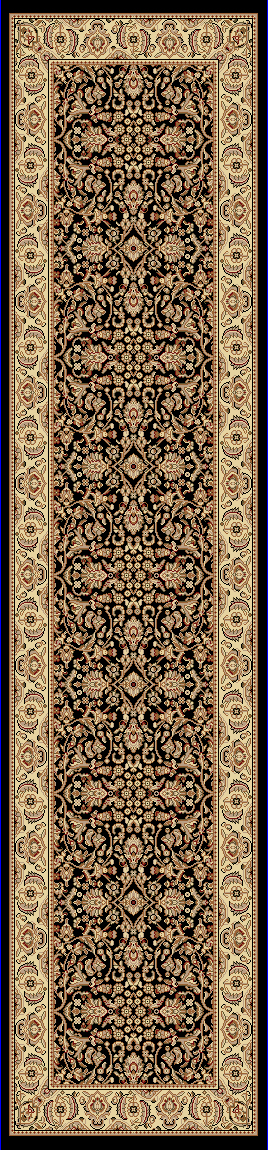
Traditional rugs often draw inspiration from classic Persian, Oriental and European designs. Think borders, medallions, florals, intricate motifs and established patterns.
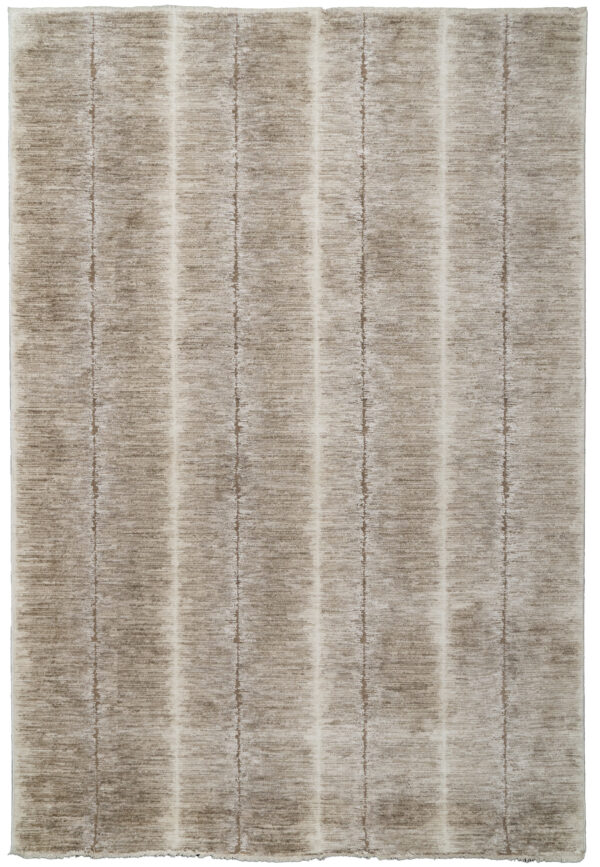
Contemporary rugs tend to feel more current: abstract designs, geometrics, simplified patterns, unusual scale and sometimes bolder color combinations.
And transitional?
It lives somewhere beautifully in between.
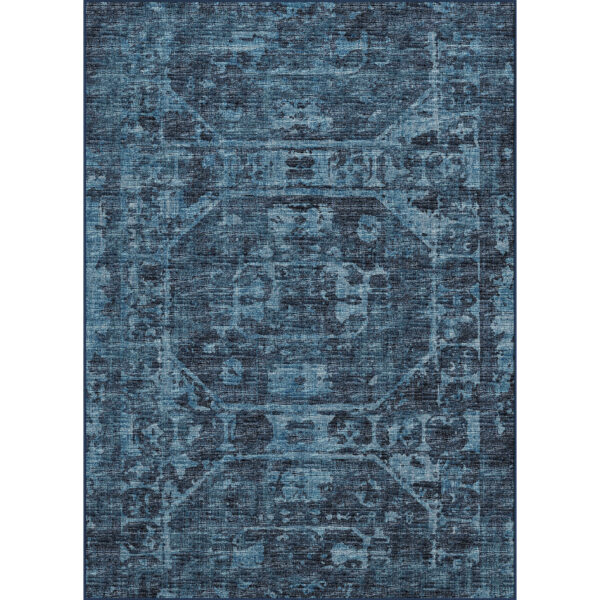
A transitional rug might take a traditional medallion and soften or distress it. A classic pattern may appear in a quieter, more contemporary palette. An ornate motif might be enlarged, abstracted or simplified.
shop this look
Explore Area Rugs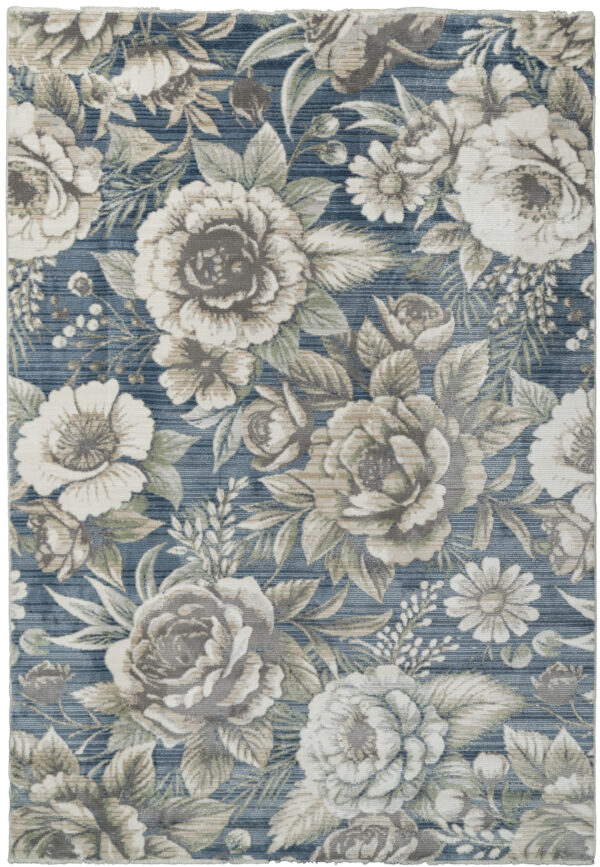
That’s what makes transitional style so versatile.
It can work with a traditional sofa without making the room feel formal. It can bring warmth and character to contemporary furniture. And in a home that combines new pieces, inherited furniture and things collected over time, transitional can be the bridge that makes everything make sense.
Traditional roots. Modern point of view.
Now you know.
Traditional, Transitional, Contemporary…or None of the Above?
HERE’S THE MORE IMPORTANT POINT
You don’t have to know what your style is called before you start shopping.
In fact, sometimes labels get in the way.
Instead, pay attention to what consistently catches your eye.
Do you gravitate toward intricate patterns or quieter ones? Crisp geometry or organic movement? High contrast or tonal color? Perfectly symmetrical designs or something more abstract?
Look at the room, too.
If you already have patterned upholstery, dramatic artwork or highly figured stone, a quieter rug may give the space somewhere to rest.
If the furniture and walls are restrained, the rug can be the thing that wakes everything up.
There isn’t one right answer.
The best rug doesn’t have to match your room. It has to make your room better.
Size Changes Everything
You can choose a beautiful rug and still have it look wrong.
Often, the rug isn’t the problem.
The size is.
One of the most common mistakes with area rugs is choosing one that’s too small. Floors USA’s existing buying guide makes this same point and recommends measuring carefully before choosing.
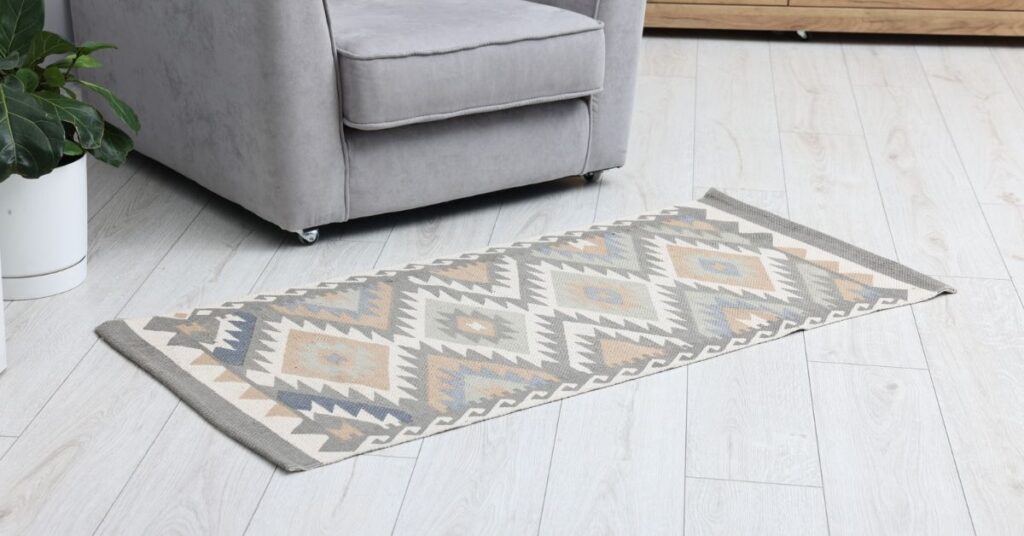
A tiny rug floating in the middle of a large living room can make everything around it feel disconnected. A properly scaled rug brings the furniture together and establishes the room as one composition.
In the Living Room
There are several ways to position a living room rug, depending on the room and furniture.
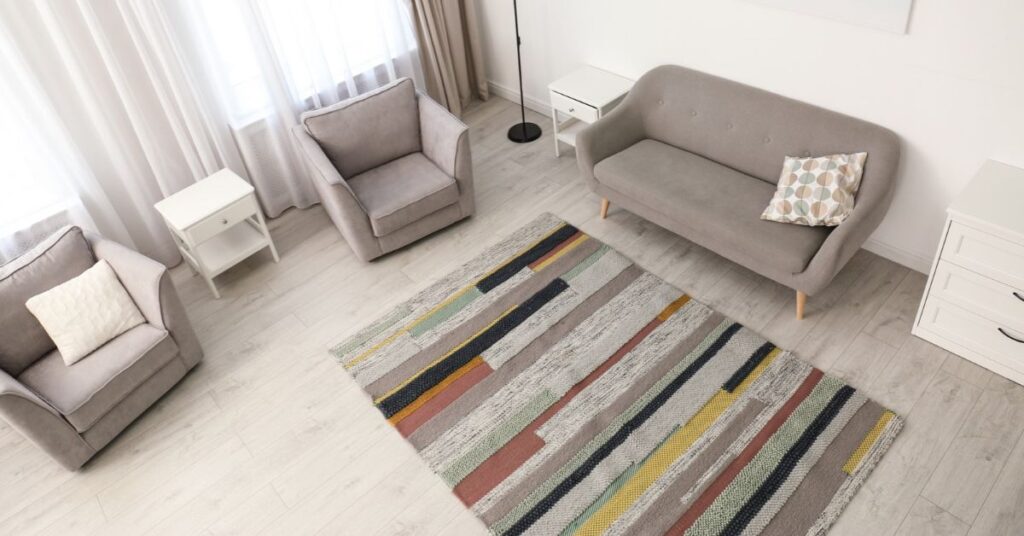
In many spaces, having at least the front legs of the sofa and chairs on the rug creates a cohesive grouping. In a larger room, placing the entire seating arrangement on the rug can look wonderfully generous.
The important thing is that the rug relates to the furniture rather than floating independently between it.
In the Dining Room
This is where function really matters.
Your rug needs to extend far enough beyond the table that dining chairs remain on it when they’re pulled out. Floors USA’s existing guidance recommends approximately 24–36 inches beyond the table, while also accounting for extension leaves.
A rug that works beautifully while everyone is seated but catches the chair legs every time someone stands up will become considerably less beautiful by dinner number three.
In the Bedroom
A rug can soften a bedroom beautifully, particularly over hardwood or another hard surface.
Depending on the room, it might sit largely beneath the bed and extend beyond the sides and foot, or smaller rugs can be positioned where you actually step out of bed.
The goal?
Your feet should find the rug before they find the cold floor.
Shape Is Part of the Design
Rectangle isn’t the only answer.
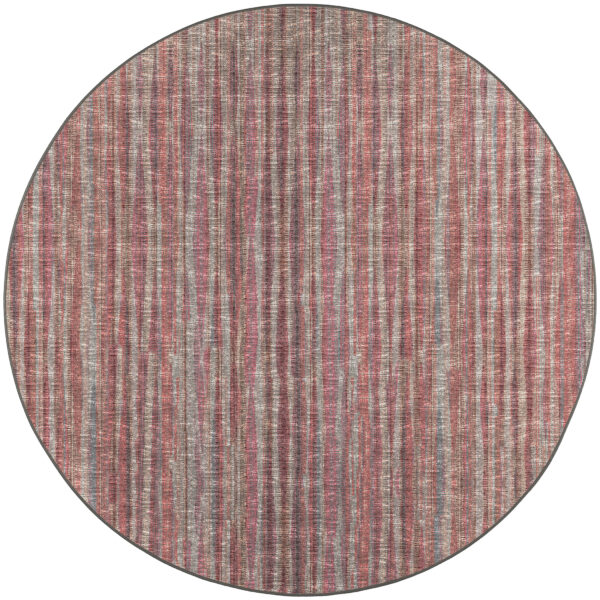
Round rugs can soften rooms filled with straight architectural lines and can work beautifully beneath round dining tables.
Runners can bring color and softness to hallways, kitchens and other narrow spaces.
Squares can make sense in square rooms.
And custom rugs open the door to dimensions and shapes that standard ready-made rugs simply can’t provide.
Floors USA can create custom rugs from carpet, including different sizes, shapes and edge treatments such as binding or serging.
That matters because houses don’t come in standard rug sizes.
Let’s Talk Material
This is where how you live matters as much as how you decorate.
Wool
There’s a reason wool has been used for rugs for generations.
It’s naturally beautiful, comfortable and resilient, and it can hold color exceptionally well. Quality wool rugs can also be a significant investment, so understanding the care requirements matters.
Synthetic Fibers
Synthetic area rugs can offer excellent durability, stain resistance and value, making them particularly appealing for busy households, family spaces and homes with children or pets.
And don’t assume practical means boring.
Today’s options span an enormous range of colors, patterns, textures and styles.
Natural Fibers
Jute, sisal and other natural-fiber rugs can introduce wonderful organic texture.
They’re particularly effective when you want the rug to add warmth and visual interest without introducing a strong pattern or color.
Material also affects how a rug feels, wears and should be cleaned, so this is one of those times when it’s worth looking beyond appearance. Floors USA’s existing guide notes that material and construction can significantly affect quality, durability and care requirements.
The prettiest rug isn’t necessarily the right rug if it doesn’t make sense for the way you live.

Pattern: How Much Is Too Much?
Here’s an easy place to overthink things.
Pattern doesn’t automatically make a room busy.
Sometimes pattern actually brings a room together.
A rug containing several colors already used elsewhere in the space can connect furniture, walls, artwork and accessories that previously felt unrelated.
A subtle tonal pattern can create interest without dominating.
And a dramatic rug can become the starting point for the entire room.
ONE USEFUL TRICK
Look at the room from the doorway.
What do you notice first?
If five things are already asking for your attention, the rug probably doesn’t need to become number six.
If the room feels like it’s missing something, perhaps it does.
Color Doesn’t Have to Match
This may be one of the most liberating things to know about choosing an area rug.
It doesn’t have to match the sofa.
Or the curtains.
Or the floor.
It needs to relate to them.
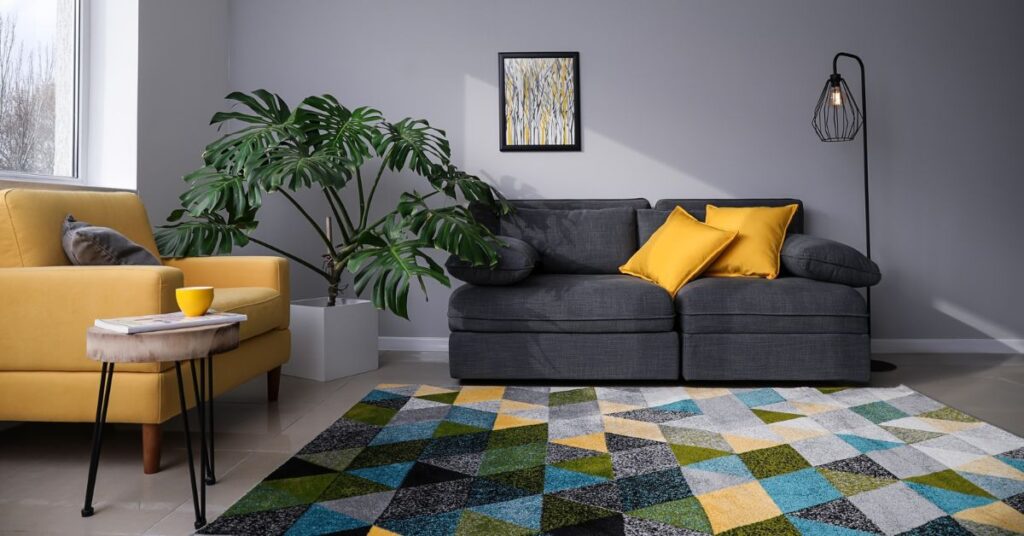
A rug might pick up one small color from a piece of art. It might introduce a deeper version of the wall color. It might deliberately contrast with the furniture.
And a neutral rug isn’t necessarily beige.
Soft blue, muted green, faded terracotta, charcoal and beautifully washed multi-color patterns can all function almost like neutrals depending on the room.
Take samples. Put things together.
Your eye will usually tell you more than the label will.
Can You Put a Rug Over Carpet?
Absolutely.
Layering an area rug over carpet can introduce pattern, define a seating area or simply give a room another layer of personality.
The same principle applies over hardwood, engineered wood, luxury vinyl and laminate.
In fact, that’s one of the reasons rugs are so useful.
You can love your floor and want something softer on top of it.
The rug isn’t hiding the floor.
It’s helping furnish it.
Rugs Can Solve Open-Concept Problems
Open-concept homes gave us bigger spaces.
They also gave us the occasional question:
ROOMS WITHIN ROOMS
Where exactly does one room end and another begin?
- An area rug can answer that without adding a single wall.
- A large rug can establish the living area. Another can define a dining zone. A runner can create a visual path through the space.
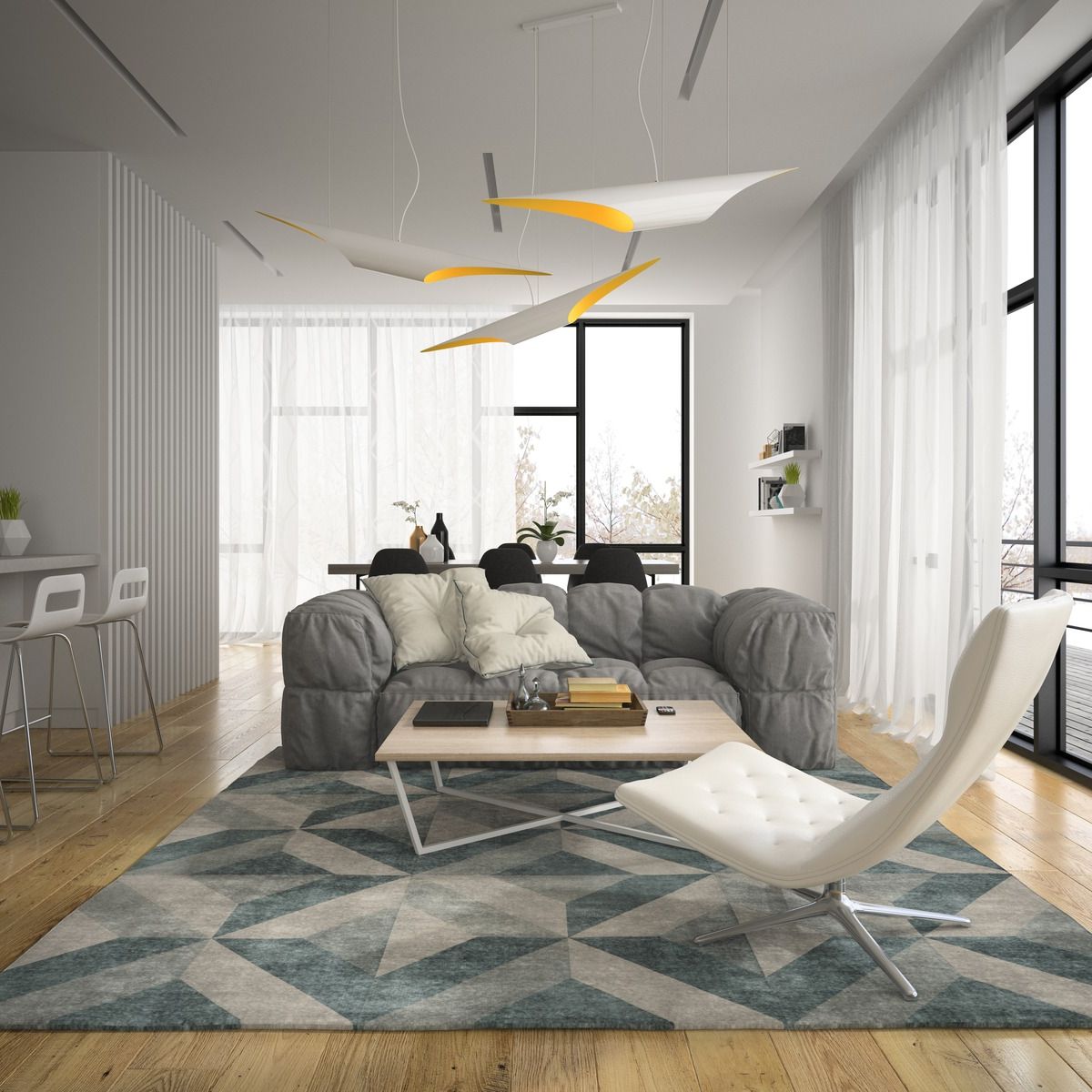
Floors USA has previously highlighted this ability of rugs to create “rooms within rooms,” and it’s one of the most practical ways to use them.
The architecture stays open.
The room suddenly has structure.
Yes, You Can Change Rugs With the Seasons
Not everyone is going to store four giant rugs and redecorate every three months.
Nor should they.
But rugs do offer an unusually easy way to change the mood of a home.
A lighter, more natural texture can make a room feel fresh and relaxed. Richer colors, deeper pattern or more tactile surfaces can introduce warmth later in the year.
And the change doesn’t necessarily have to be dramatic.
Sometimes simply moving a rug from one room to another makes both spaces feel new.
Floors USA has explored seasonal rug swaps before, including using different colors and textures to change a room without undertaking a larger renovation.
That’s the beauty of decorating with something that isn’t permanently attached to the house.
shop this look
Explore Area Rugs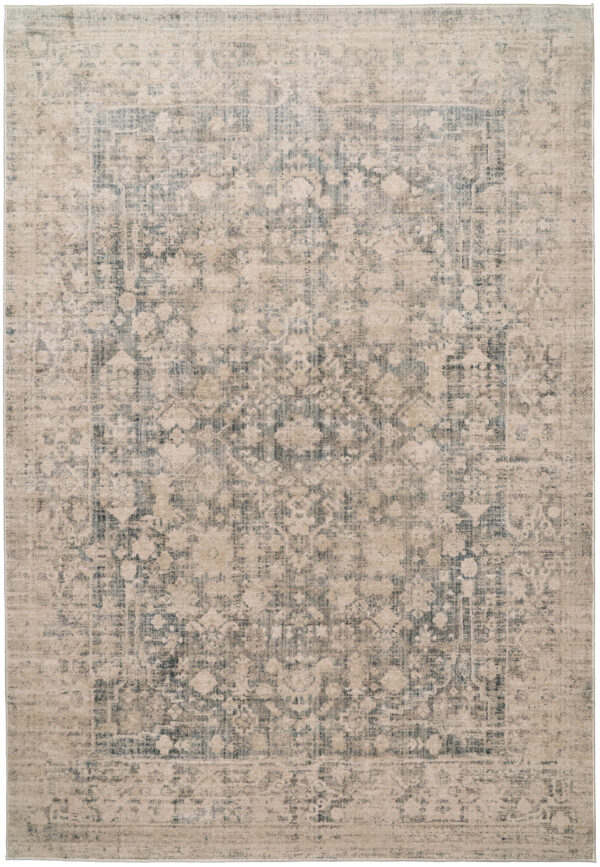
Don’t Forget What’s Underneath
One of the practical reasons people choose area rugs is to help protect the flooring below, particularly in higher-traffic areas and beneath furniture.
But the relationship goes both ways.
The appropriate rug pad can help keep a rug in place, add cushioning and help protect both the rug and the flooring underneath. The right pad depends on the rug, floor and application, so make sure what you choose is suitable for your particular flooring.
And move or rotate your rug periodically where appropriate.
Sunlight and traffic don’t always hit every part of a room equally. Floors USA recommends rotating rugs periodically to help promote more even color and wear.
Caring for the Rug You Love
There’s no universal cleaning rule for every area rug.
A synthetic rug, wool rug, natural-fiber rug and handmade rug may all require different care.
That’s why the care label matters.
Routine vacuuming may be appropriate for many rugs, but pile, fringe and construction can affect how you should vacuum them. Spills generally deserve prompt attention, but the correct treatment depends on the fiber and manufacturer instructions.
For deeper cleaning, follow the care requirements for the specific rug rather than assuming the method that worked on your last one will work on the next. Floors USA’s existing maintenance guidance similarly recommends tailoring cleaning to the rug’s size, material and construction.
A beautiful rug can last a long time.
Treat it like the textile it is.
What If You Can’t Find the Right One?
Keep looking.
Or make it.
This is where shopping somewhere with real choice makes a difference.
Floors USA offers thousands of area rugs, additional special-order options and custom rug capabilities. Custom rugs can be created in dimensions and shapes that suit the room rather than forcing the room to accommodate a standard size.
That’s particularly useful for unusual rooms, long hallways, oversized living spaces or anywhere that seems to fall awkwardly between standard rug sizes.
It can also open up a completely different design possibility: finding a carpet you love and turning it into the rug you couldn’t find anywhere else.
The A to Z—and Z to A—of Choosing an Area Rug
After all of that, here’s the part worth remembering.
You don’t need to become an expert in rug terminology.
You don’t need to walk in knowing whether your style is traditional, transitional, contemporary, organic modern or something nobody has named yet.
You need to know a little about your room.
Measure it.
Take some photos.
Think about how you live.
Notice what colors and patterns you’re drawn to.
Then come have a look.
Feel the textures. See the colors in person. Compare something quiet with something bold. Try the rug you would normally walk straight past.
You might discover you’re a transitional person after all.
Who knew?
At Floors USA, there are lots of area rugs to explore, with more available by special order and custom options when standard just isn’t quite right.
Come looking for a rug.
You may leave looking at your whole room differently.
Floors USA. It’s Worth The Trip.

Fall Flooring Trends: The Looks Inspiring Beautiful Homes Right Now